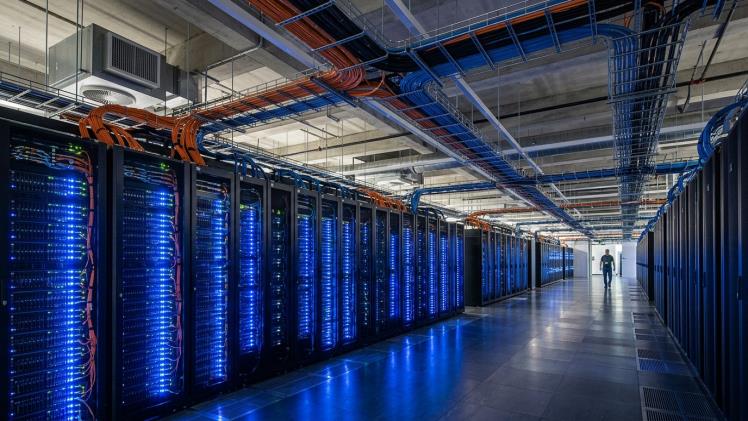
As data center networks continue moving toward 100G, 400G, and higher speeds, 40G SR4 may seem like an outdated option. However, not every network needs to upgrade all its links at once. In existing data centers, 40G SR4 can still provide practical value for short-reach connections, aggregation layers, and infrastructure where the current bandwidth remains sufficient.
Supporting Existing 40G Aggregation Layers
Many enterprise and mid-sized data centers still operate switches with 40G uplink ports. These connections aggregate traffic from 10G access switches, connect server racks, or link distribution switches within the same facility.
Replacing an entire aggregation layer simply to adopt a higher port speed can involve more than purchasing new transceivers. Network teams may also need to replace switches, update cabling, review configurations, and schedule service interruptions. If current traffic levels remain within the capacity of the existing network, 40G SR4 can help maintain these links without forcing an immediate infrastructure upgrade.
This approach is particularly useful when the network has a clear upgrade timeline but does not yet require higher-capacity uplinks.
Connecting Switches over Short Distances
40G SR4 is designed for short-reach multimode fiber connections, making it suitable for switch-to-switch links within a data center. It can support connections between nearby racks or across equipment rows when the installed fiber type, link length, and optical specifications meet the module requirements.
For facilities with an established multimode fiber plant, continuing to use compatible 40G SR4 links can reduce the need for immediate cabling changes. Before deployment, engineers should verify fiber type, connector compatibility, channel loss, and the supported reach of the specific transceiver.
The decision should be based on the complete optical link rather than distance alone.
Balancing Port Density and Upgrade Costs
Higher-speed networking can improve bandwidth per port, but the benefits depend on the requirements of the network. A 40G link may remain adequate for workloads that do not generate sustained traffic beyond its available capacity. In these cases, retaining existing 40G connections can preserve budget for higher-priority upgrades, such as oversubscribed aggregation links or congested server-facing connections.
Port density also matters. Moving to a newer speed may reduce the number of physical uplinks needed for a given bandwidth target, but it may require different switches, optics, and cabling. Conversely, keeping 40G SR4 can be economical when compatible hardware is already installed and spare ports are available.
A useful upgrade plan compares total implementation costs, expected traffic growth, power and cooling requirements, and the operational impact of replacing existing equipment.
Planning for the Next Network Generation
Keeping 40G SR4 in service should be a deliberate decision, not a reason to postpone every upgrade. Network teams should monitor link utilization, congestion, error counters, hardware support status, and the availability of replacement components. Links approaching capacity or supporting increasingly demanding workloads may need to move to 100G or beyond.
It is also important to consider the future cabling path. A migration plan should account for whether existing multimode fiber can support the intended next-generation optics or whether a transition to single-mode fiber would provide a more suitable long-term foundation.
Make the Upgrade Decision Based on Need
40G SR4 still has a role in data centers where short-reach connectivity, existing hardware, and current bandwidth requirements align. By retaining suitable links while upgrading genuine bottlenecks first, operators can extend the useful life of their infrastructure and manage capital expenditure more effectively.
The goal is not to keep every 40G link indefinitely. It is to upgrade where measurable network demands justify the cost, while allowing reliable existing connections to continue delivering value.