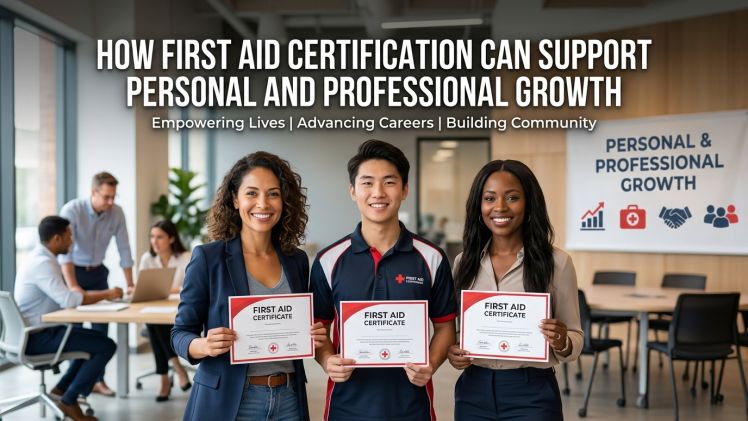
Although first aid training is often linked to handling medical crises, its advantages go far beyond providing emergency treatment. A first aid certification may help people gain useful skills, boost their self-esteem, and assume more responsibility in daily life. Additionally, it may open doors for professional growth, especially in sectors where worker safety is a top concern. First aid certification may be a great investment for anybody wishing to develop useful life skills, join the profession, or contemplate changing careers.
Developing Self-Assurance In Emergency Circumstances
Medical crises may occur anywhere, including public areas, businesses, and residences. Without the right information, individuals may not know how to react. A first aid certification offers organised instruction that enables people to identify crises and respond appropriately.
While waiting for expert medical help, participants learn how to evaluate a situation, spot any threats, and provide first aid. These useful abilities might lessen reluctance and promote a more coordinated reaction in stressful situations.
For those who live or work in crowded metropolitan areas where accidents may happen at any time, completing first aid training Sydney can be very helpful. Participants may feel better equipped to aid others when needed thanks to the information they have acquired via training.
Increasing Awareness Of Workplace Safety
Both employers and workers have a significant duty to ensure workplace safety. People who are familiar with first aid may help create a better-prepared workplace while companies set up safety protocols.
Employees with first aid certification are better able to identify situations that need quick response and comprehend frequent workplace dangers. This knowledge may promote safer conduct and enhance communication in the event of an incident.
Workers who are aware of emergency response protocols could also feel more at ease taking part in conversations about workplace safety. Their expertise may bolster current safety protocols and motivate coworkers to prioritise emergency preparation.
Enhancing Professional Credentials
Acquiring skills that enhance workplace capabilities and support long-term career aspirations is a key component of professional development. By showcasing a person’s eagerness to learn and assume responsibilities, first aid certification may supplement current credentials.
Employees in several sectors, such as childcare, education, construction, hospitality, and community services, may need to be qualified in first aid. Depending on the position, company, and relevant laws, different requirements apply.
FirstAidPro assists learners in acquiring useful emergency response skills. Selecting an appropriate course enables people to acquire information relevant to their personal and professional obligations.
Certification may improve a candidate’s total skill set when applying for jobs where safety awareness is desired, even if it does not guarantee employment.
Improving Your Ability To Make Decisions
People often have to make quick judgments during emergencies while keeping an eye on their surroundings. Participants in first aid courses are exposed to organised methods that may facilitate more coherent thinking under duress.
Trained persons learn to evaluate risks, prioritise urgent issues, and recognise when expert medical aid is required, as opposed to responding haphazardly.
Outside of emergency circumstances, these decision-making abilities may also be useful. The capacity to stay focused, adhere to protocols, and communicate effectively may promote both professional and personal growth.
Recognising Qualifications For First Aid
A crucial component of professional growth is choosing the right certification. A nationally recognised unit of competence in Australia, hltaid011 provide first aid, encompasses fundamental information and practical abilities for handling a variety of emergency circumstances.
Topics covered in the unit include handling injuries, identifying medical problems, performing cardiopulmonary resuscitation, and adhering to the proper emergency response protocols.
In order to prove their comprehension, participants often complete both theoretical and practical tests. People should make sure the training provider is properly registered and that the course satisfies the standards of their industry or place of employment before enrolling.
Promoting Individual Accountability And Awareness Of The Community
The way that people approach safety in their daily lives might be influenced by first aid certification. People are encouraged to be more watchful and responsible in various settings when they are aware of possible threats.
While community volunteers might gain from understanding how to help during planned events, parents may feel more equipped to handle domestic mishaps. In a similar vein, those who take part in leisure activities could find first aid education helpful in the case of unanticipated accidents.
These abilities reinforce the value of getting expert help when necessary and foster a feeling of duty towards others.
Conclusion
Benefits from first aid certification go beyond only knowing how to respond to emergencies. It may boost professional credentials, increase workplace awareness, boost confidence, and promote responsible decision-making. People may promote their personal and professional development while being more equipped to handle crises by acquiring useful information and keeping up with pertinent skills.